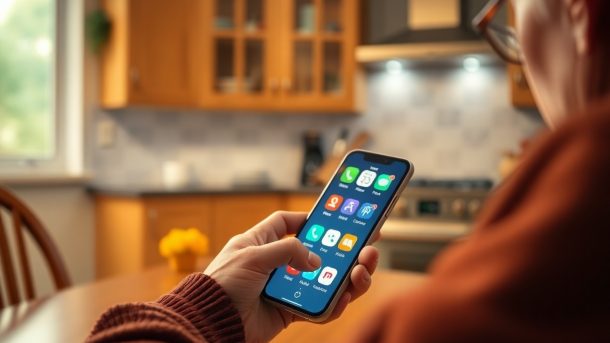
As you develop mobile apps, you consider the needs of various user groups, including the elderly. Your goal is to create an inclusive experience, and designing for this demographic requires careful consideration. You will need to focus on simplicity, clarity, and ease of use to ensure your app is accessible and enjoyable for older adults. By following specific guidelines and best practices, you can create an app that meets their unique needs and enhances their mobile experience.
Key Takeaways:
- Simple and intuitive navigation is important for mobile apps designed for the elderly, as it helps to reduce confusion and anxiety when using the app, making it easier for them to find what they need.
- Large buttons and clear typography are vital for elderly users, as they can help to improve readability and reduce the risk of accidental taps or selections, making the app more user-friendly.
- High contrast colors and minimal clutter can significantly improve the overall user experience for elderly users, as they can help to reduce visual fatigue and make it easier to focus on the content.
- Audio cues and voice commands can be particularly helpful for elderly users who may have difficulty with visual or tactile interactions, providing an alternative way to interact with the app and access its features.
- Testing the app with elderly users is an important step in the design process, as it can help to identify potential issues and areas for improvement, ensuring that the app is accessible and usable for its target audience.

Visual Design Elements
A well-designed mobile app for the elderly should consider accessibility guidelines, as outlined in Designing Mobile Apps with Accessibility in Mind, to ensure your app is user-friendly for this demographic.
Font Size and Typography
Any design choice you make should prioritize clarity, so select fonts that are easy to read and adjust the font size to accommodate your users’ needs, allowing them to comfortably navigate your app.
Color Contrast and Visibility
By selecting colors that provide sufficient contrast, you can help your users distinguish between different elements in your app, making it easier for them to use.
Elements such as buttons, icons, and text should have a clear visual distinction, enabling you to create an app that is accessible and enjoyable for the elderly to use, and as you design your app, consider how you can use color to guide your users through the different features and functions.
Navigation Principles
Some of the most important considerations when designing mobile apps for the elderly involve navigation principles. You need to ensure that your app is easy to navigate, even for those who may not be familiar with technology. Your goal is to create an intuitive interface that allows users to find what they need quickly and easily.
Simple Menu Structures
On the subject of menu structures, you should opt for simple and straightforward designs. You want to make it easy for your users to find what they need, without having to dig through multiple layers of menus. Your menu should be easy to understand, with clear labels and minimal options.
Clear Touch Targets
Among the key factors in designing navigation for the elderly is the use of clear touch targets. You should ensure that buttons and other interactive elements are large enough to be easily tapped, even for those with limited dexterity. Your design should take into account the physical limitations of your users.
And as you design clear touch targets, consider the size and spacing of buttons, as well as the feedback provided when a user interacts with them. You want to make sure that your users can easily tap on what they intend to, without accidentally activating other elements. By doing so, you can create a more user-friendly experience for the elderly, allowing them to navigate your app with confidence and ease.
Interface Simplification
All mobile apps designed for the elderly should prioritize simplicity to ensure ease of use. You can achieve this by using clear and concise language, intuitive navigation, and minimal clutter. Your goal is to create an interface that is easy to understand and interact with, allowing your users to focus on the task at hand.
Minimal Steps
Against the complexity of modern technology, you should strive to minimize the number of steps required to complete a task. You can break down complex processes into simpler, more manageable steps, making it easier for your users to navigate your app.
Reducing Cognitive Load
Only by simplifying the decision-making process can you reduce cognitive load, making it easier for your users to use your app. You can achieve this by limiting the number of options and providing clear, concise instructions.
Interface design plays a significant role in reducing cognitive load. You can use high-contrast colors, large fonts, and simple icons to create a visually appealing and easy-to-use interface. By doing so, you can help your users focus on the task at hand, rather than struggling to understand your app’s interface.
Physical Considerations
Unlike other age groups, the elderly often experience physical limitations that affect their ability to interact with mobile apps, so you should consider these factors when designing your app to ensure it is accessible and user-friendly for this demographic.
Motor Control Adaptations
Motivated by the need for accessibility, you can incorporate features such as larger buttons and simple navigation to accommodate users with limited dexterity or motor control, making it easier for you to create an inclusive app.
Touch Sensitivity Settings
For users who may have difficulty with precise gestures, you can provide adjustable touch sensitivity settings, allowing you to customize the app’s responsiveness to their needs, enhancing their overall experience.
Also, by offering customizable touch sensitivity settings, you enable users to adjust the app’s sensitivity to their individual needs, which can be especially helpful for those with arthritis or other conditions that affect fine motor skills, allowing you to create a more inclusive and accessible app for your elderly users.
Audio and Feedback
After considering the visual aspects of your mobile app, it’s time to focus on audio and feedback, which play a significant role in creating an accessible experience for elderly users.
Sound Indicators
On the subject of sound indicators, you should use clear and distinct sounds to notify your users of important events, such as notifications or errors, to help them navigate your app with ease.
Haptic Feedback
Around the topic of haptic feedback, you can utilize vibrations or tactile effects to provide your users with a more immersive experience and help them understand the app’s interactions.
With haptic feedback, you can enhance the overall user experience by providing subtle cues that guide your users through the app, making it more intuitive and accessible, allowing you to create a more engaging and user-friendly interface that caters to the needs of elderly users.
Error Prevention
Your goal is to minimize errors when designing mobile apps for the elderly, and you can achieve this by following guidelines such as those outlined in Designing Mobile Experiences with Seniors in Mind, which provides valuable insights into creating user-friendly interfaces.
Confirmation Dialogs
By implementing confirmation dialogs, you can ensure that users are aware of their actions and can correct any mistakes before they are finalized, reducing the likelihood of errors and frustration.
Undo Functions
Any action that can be undone should have a clear and easily accessible undo function, allowing users to quickly correct mistakes and continue using the app with confidence.
The undo function is particularly important for elderly users who may accidentally delete important information or make incorrect changes, and by providing a simple way to undo these actions, you can help prevent frustration and anxiety, making your app more enjoyable and accessible to use.
Summing up
As a reminder, when designing mobile apps for the elderly, you should prioritize accessibility. You can consult the Elderly-friendly Website/Mobile Application Design Guide to ensure your app is user-friendly for this demographic. By following these guidelines, you can create an app that is accessible and enjoyable for your elderly users, enhancing your overall design.
FAQ
Q: What are the key considerations for designing mobile apps that are accessible to the elderly?
A: When designing mobile apps for the elderly, it is crucial to consider factors such as simplicity, clarity, and ease of use. The app’s user interface should be intuitive and easy to navigate, with clear and concise language, large buttons, and high contrast colors to accommodate visual impairments. Additionally, the app should be designed to be compatible with assistive technologies such as screen readers and voice commands, to ensure that users with disabilities can access the app’s features and functions.
Q: How can I ensure that my mobile app is easy to use for elderly users with limited technical expertise?
A: To make your mobile app easy to use for elderly users with limited technical expertise, focus on creating a simple and consistent user experience. Use familiar icons and graphics, and provide clear instructions and feedback to help users understand what to do next. The app should also be designed to minimize errors and provide gentle corrections when mistakes are made. Furthermore, consider incorporating features such as tutorials, guides, and customer support to help users get started and address any questions or issues they may have.
Q: What are some best practices for designing mobile apps that cater to the physical and cognitive abilities of elderly users?
A: Some best practices for designing mobile apps that cater to the physical and cognitive abilities of elderly users include using large font sizes and high contrast colors, providing alternative input methods such as voice commands or gesture-based navigation, and minimizing the amount of text and complexity of tasks. The app should also be designed to accommodate slower reaction times and limited dexterity, with features such as automatic saving and simple, one-step processes. By following these best practices, you can create a mobile app that is accessible, usable, and enjoyable for elderly users, and helps to promote digital inclusion and social engagement.